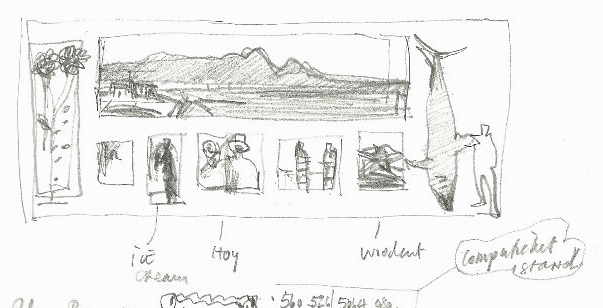
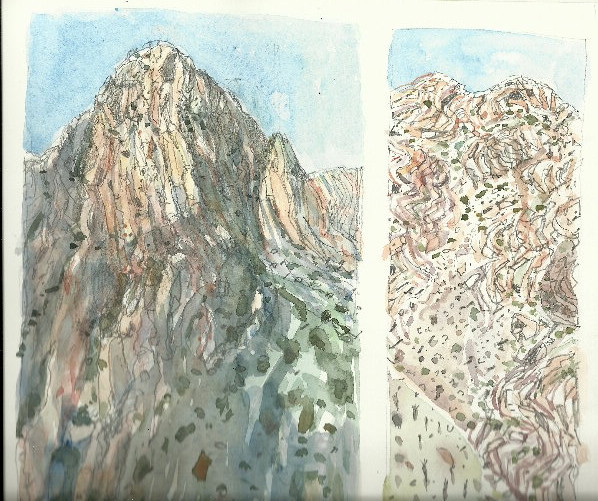
In country music there is always someone walking the line, as my friend Richard Smith observed. Bob Dylan wrote a song about it and so of course did Johnny Cash. The line your blogger is walking right now runs from his studio straight through to September 8th, the date of his first Cape Town exhibition. The travels with Pierneef are now mainly in the confines of the studio as the brush meanders back and forth covering its tracks and time skids away. Small sketches proliferate in an attempt to pin down ideas for paintings. They help to quell the rising tide of panic.
 Note for a Hermanus site painting

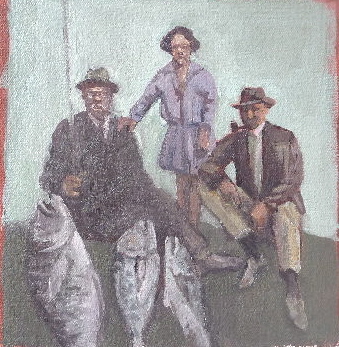
I’m doing a biggish oil of the Hermanus site – it consists of seven small images. After three days I had three small images in place. Like a happy construction manager I was even figuring how many more hours it would be before the painting was done. But by day four, things suddenly started to look wrong. The canvas was cluttered and kind of formulaic in its intention. The thing that Hemingway called the “crap detector” was starting to ring, and I had to press  the Delete button. Day one, two and three’s efforts were painted over.  Day four’s too. It wasn’t their fault. They were just in the wrong place at the wrong time. But I’m giving one of them a second life:

 the virtual fishing party

The saying “to walk the line” originates in the American Midwest. In the days of railway construction, parched and hungry construction workers would walk the line for miles, checking that all the beams were in place. Ahem. Your crap detector should be warming up now. I have no idea where it comes from. But it’s a good way of describing the need to make aesthetic or other judgement calls. And I’ll let you know how the big one turns out…

looking for the line...

Early Autumn is harvest time in the Western Cape. We set off to the Solms-Delta Oesfees in Franschhoek. We went around the big mountains with young Lulu on the back seat. As we pulled into the Tokara wine estate for a snack, Lulu spewed up her breakfast. Hoping to find a dustbin nearby, I headed off past the well heeled diners on the patio, carrying a Checkers packet full of dog vomit. There was no dustbin outside or in the hyper chic interior. I ordered a muffin from the sleek haired waitress, unable to ask for assistance. Clutching a heated muffin and the Checkers bag I wandered back outside to Cathy and Lulu, who were huddled amongst the olive trees, near our battered old Polo. Talk about lowering the tone, ekse.

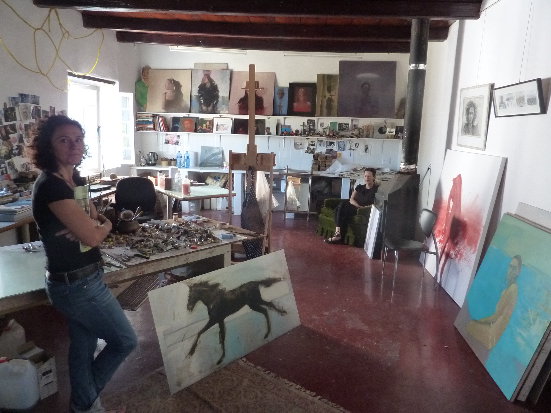
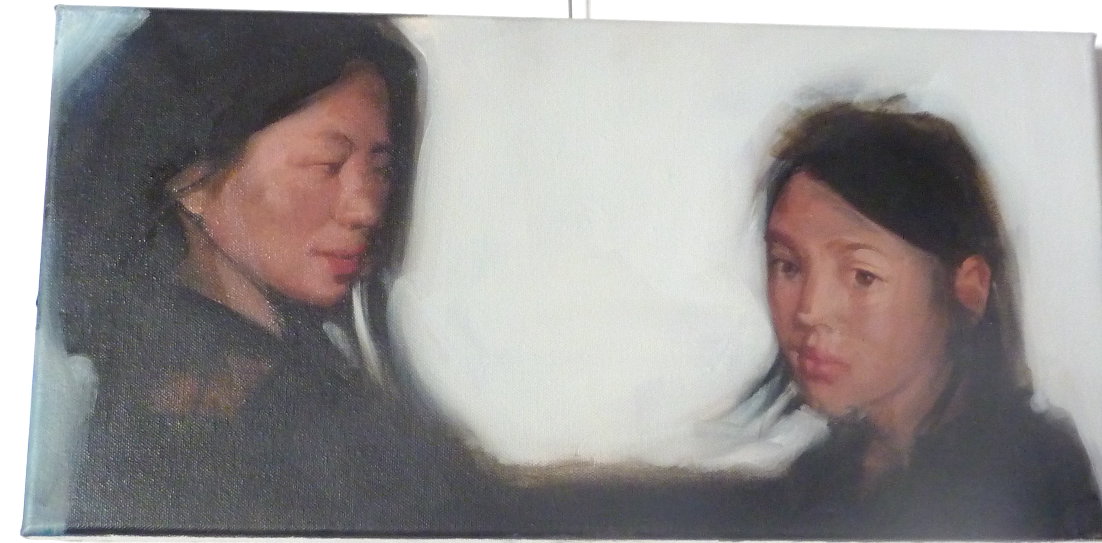
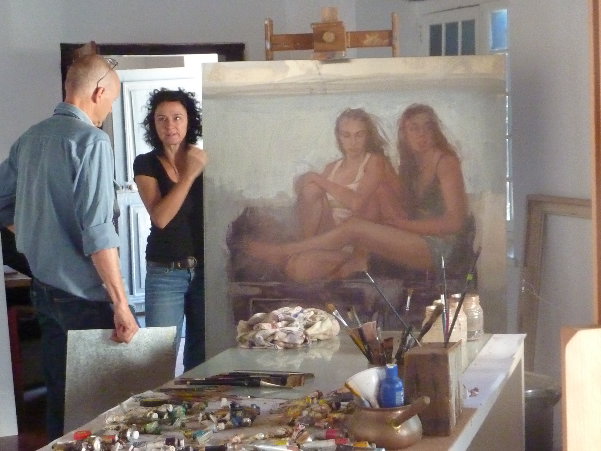
In Franschhoek we stayed with our painter friend Kerri Evans. She first showed at the Everard Read in Jo’burg about 15 years ago, when she was living in India.  Her portraits of Indian people were beautifully rendered, exotic and very appealing. The Johannesburgers voted with their cheque books and Evans was on her way.

Le atelier de Evans

Evans has concentrated on portraiture and the figure. What draws you into her work is the sheer painterliness of it. One knows, looking at an Evans portrait, that this is a likeness – often meticulously rendered – but at the same time there’s a looseness, a revelling in the brushwork and the sheer possibilities of paint. The human figure and face are a pretext, a point of departure for Evans’ real concerns, which are not unlike those of abstract painters. In abstract painting, the ‘subject’ of the work is often the process of painting itself. Scrutinise an Evans painting and you will see any number of glazes, blurrings and overpaintings: you will be looking at a record of how the thing was arrived at.
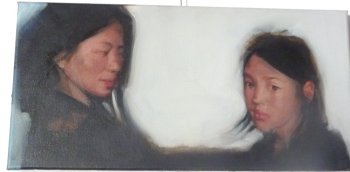
Whereas a lot of us painters make use of a grid or an overhead projector to transfer our original image onto the canvas, Evans does no preliminary drawing. Using flat brushes, the forms are laid in loosely in thin washes: after many alterations and additions the image is arrived at. For those who think Evans is a methodical kind of painter who knows a trick or two about covering her tracks, the reverse is true. She says she starts every painting not knowing how she did the last one and if she can do it again. Evans has never been comfortable working on canvas – she prefers the super smooth surface of prepared masonite and has recently discovered working onto unprimed metal sheets – a highly stable surface if ever there was one.

what, no canvas?

There is an awful lot of bad painting in the world, a lot of it given more importance than it deserves. Evans works in the long tradition of figurative painting. But within those confines, she is pushing back boundaries. Her work deserves to last.
On Monday I took it as my Human Right to search for a Pierneef site, and went through to Stellenbosch. I was here about a year ago and after a cursory drive through the town, I took the road up the Jonkershoek valley, for that is where “Die Pieke” are.

Stellenbosch. JH Pierneef 140x126cm

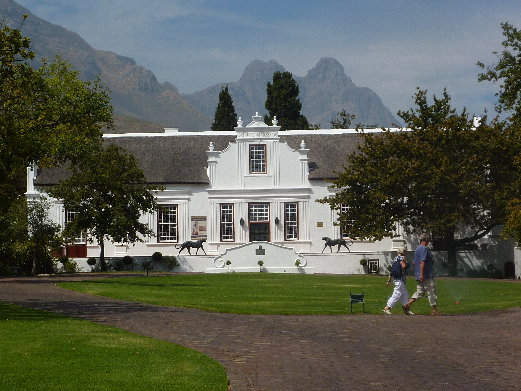
Freed slaves were farming here in the early 1700s. Later, the valley was found to be good for grapes. Vineyards lay alongside the road in the late summer heat. I scanned the valley for suitable dwellings, keeping an eye out for cyclists. I took the turnoff to Lanzerac Estate. Before me stretched vast lawns and a graceful old homestead, with well heeled diners to the left and Dylan Lewis cheetahs guarding the doorway.

close but no cigar

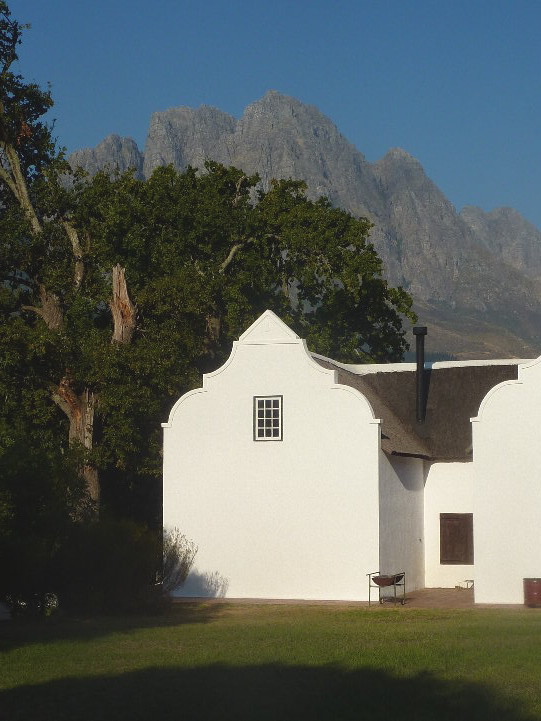
Given that uncle P often manipulated his subject matter for compositional ends, this seems like a good bet. The buildings may have been modified since the 30s, but that gable is just way too ornate. I headed on up the road to the Jonkershoek Nature Reserve and a fine old fashioned tearoom where the cyclists stretch their legs. I took a turn to the right into a place called Assegaaibos. Here was the gabled homestead hemmed in by a low wall and big oak trees. The peaks towered behind, and there were even low sheds nearby. But it just wasn’t laid out quite the way the painting says it should be. Does this house exist, or is this another of Oom Henk’s confections? The quest continues…. 

Us artists are a cannibalistic lot.  The myth of the lone creator rules, but the truth is we are constantly nibbling away at each other’s work, taking up bits and pieces that suit our needs. We even have a word for this polite thieving between artists – it’s called “referencing.”  Referencing is complimentary: I like your idea, your brushstroke, your colouration so much that I am unable to stop myself trying to emulate it. Our peers may be hard to resist, but there is also the weight of tradition. Hundreds of years of brilliant painters to look at, all better than you. No wonder young Marcel Duchamp drew a moustache and goatee on the Mona Lisa.

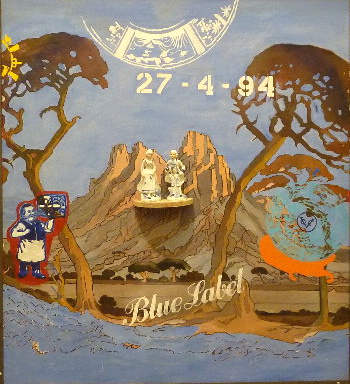
In our little South African artworld, the equivalent gesture of punk outrage must surely be Wayne Barker‘s Pierneef paintings. Back in the late 1980s, Barker, fueled by alcohol and seething with righteous anger at the apartheid system, set about defiling Pierneef.  He took the hallowed landscapes and inserted into them all manner of subversive imagery. Fuck you, Apartheid overlords with your nostalgic ideas of the land! Fuck you, artists who cosy up to the Nats!

Barker’s work attacked the comfortable notion that landscape painting exists outside of politics and history. (The good theorists of the left, who had long deplored the absence of any reference to the Relations of Production in Pierneef’s work, were happy.)

Like so many before and since, here was a young artist taking aim at the establishment. But the thing about the artworld is its ability to incorporate the new pretender as well as the old Master. One may have thought 27.04.94 signaled the start of a clean out of the old white icons, an ushering in of the new. And yet, after a brief pause, the market in Pierneefs continued to rise. He is bought, studied, preserved and debated. And quite a few of us painters can’t stay away.

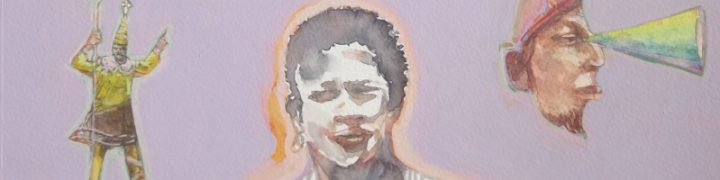
Your blogger, dear reader, is still marooned in the land of wordlessness. Fortunately some watercolours have been coming out of the studio. Here are the four new ones, to be exhibited at Bamboo in Melville this weekend.

Our Land 2 23x20cm

Our Land 23x20cm

Le Dejeuner Sur...... 21x21cm

Dealmakers 23x20cm

Ja. Sunday morning and I’m off to take a pic of the summer morning light on the old harbour in Hermanus.  The shadows in Pierneef’s painting of the harbour tell us that is when he did his sketches. It’s a beautiful day and there are bright yellow kayaks paddling across a placid sea.

spot the kayak

What is on my mind, however, is that I need to do a blog posting, and I’m expecting a call any moment from my blog coach, who lashes me if I don’t do a weekly posting. What should I write about? My recent sortie to Cape Town and the elusive Cape sites? The almost-getting-to-find the Stellenbosch site? A detour into Bellville and its period piece houses? Or should I write about an old trip to Louis Trichardt? Which way to jump?

meanwhile in Bellville...

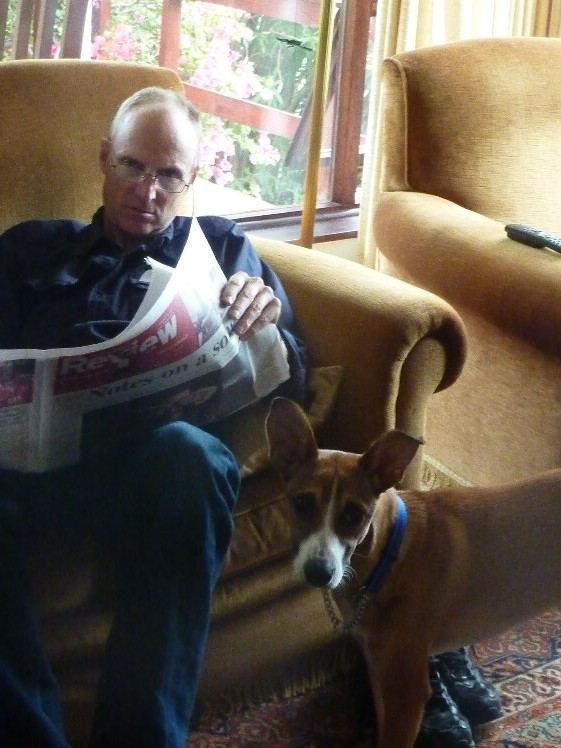
Coach, I need a bit more time to think about this. A bit of time on the couch with the Sunday papers might help to ease the blogger’s block.

the blogger,blocked

That there is my new best friend, Lulu. Hoping the old bastard will go for a walk.

Despite the charm of the house, I headed back onto the highway with a vague sense of loss. My conversation with Hans wasn’t all that optimistic, to tell you the truth. He doesn’t share his grandfather’s sense of permanence. He feels his children’s future may lie elsewhere, perhaps out of Africa. And then, cutting into the lane in front of me, my subject appeared. It was a little dented and moving quite fast.

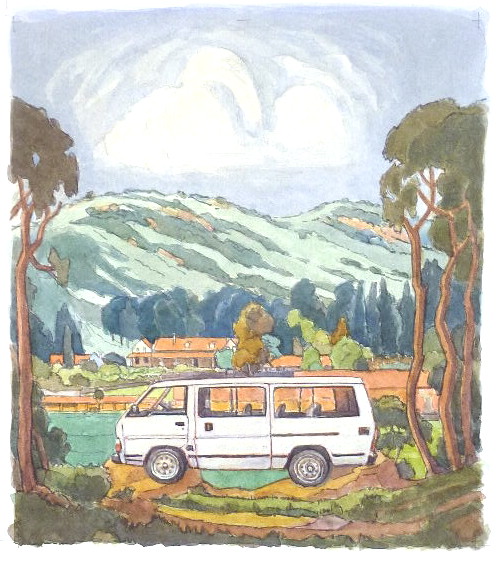
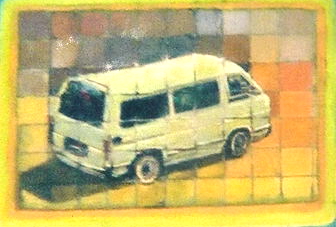
White taxi 23 x 20 cm, watercolour

The minibus is not known for its respect for the rules of the road. To your average whitey, the minibus represents the End of The World As We Know It. Over the years, I’ve rendered a few of them. Initially it was a way of neutralising an irritant. (Painting can do this, for the artist and the viewer.) Later it became another little pathway to acceptance. In the Fordsburg studio though, the din from the hooting taxi could stretch your tolerance. Torrents of abuse would flow from the balcony onto Main Street. Sometimes the artists were known to flick paint from their brushes onto the offenders below.

The artist's revenge: Gridlocked by paint

Once, sketching at a taxi rank in the Jo’burg CBD, a man stood behind me and watched me draw. “Eish! You can say that is dangerous!” said he. I never worked out if he meant the drawing or the taxi. But I like the idea of a dangerous drawing. And the thing is, now that these dangerous little vehicles are being replaced by those lumbering high roofed ones, they’ve acquired a certain sentimental value. They’re becoming relics, symbols of an era. Rather like a Pierneef painting.

The first taxi painting - 1991, oil on board

J H Pierneef. Klipriviersberg, Alberton 140x126cm

Pierneef’s Alberton station panel. You can see this majestic house from the N12, the highway skirting Joburg’s southern extremities. Getting close to it is a different story. I lurched through a wasteland of barricaded nouveau Tuscan townhouses for at least an hour before finding the secret entrance into the lost world.

not this way

nor this

At the bottom of the koppies were signs of an ancient civilisation – one that had tilled the soil and ridden the horse.

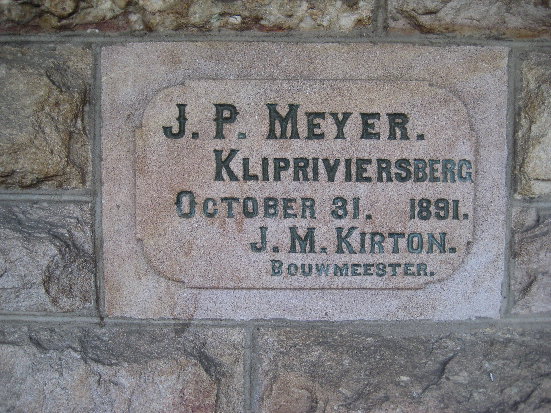
I made my way past many outbuildings to the great house. There I was lucky to meet the lord of the manor, a certain Hans Meyer. Hans’ grandfather once owned vast land here – hence the nearby town of Meyerton, south on the R59. The house, built in 1881, was one of the finest in the old Transvaal. Here, despite being rudely engulfed by highways, Hans continues the tradition of farming and horse breeding.

casa Meyer

The Meyer patriarch put down some serious roots here. The metalwork was imported from England. Hans told me that Pierneef and his grandfather were friends. He would have stopped off here on his way to Henley-on-Klip and the Vaal river. He probably walked up the koppies in front of the farm to get his vantage point.  The highway is there now. I doubt if those tall trees that frame his painting ever existed – they’re put there to lead the eye into the perfect world beyond.

I took a spin to Camps Bay to look at Rose Korber‘s annual Summer Salon, an event that has been on the Cape Town art calender for the past 19 years. At Rose’s fine Camps Bay home you’ll see works by some of our trusty old campaigners (Kentridge, Nhlengethwa, Hodgins, Bell) as well as some newer kids on the block. I admit to a certain bias in favour of my guitar compadre Richard Smith, his quadrangle of works had a certain authority:

Smith interrupted by Willie Bester

The walls are packed with work, and if you’re looking for the crisp clean lines of the modern gallery, this isn’t it. What you find here are unexpected gems, and a mix of new and older work: A set of six Hanneke Benadé pastels, a 1997 Simon Stone, a fine little Debbie Bell lithograph. The Prime Minister of South African art was also strongly represented: sets of “Nose” etchings and a very fine set of new “West Coast” etchings.

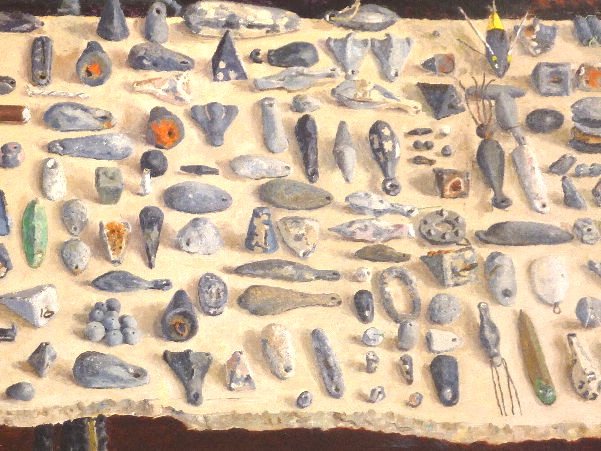
Detail, Simon Stone "sinkers"

From Mr Stone’s obsessive sinker – painting days. The thing about these paintings for me is the crazed commitment to the act of observation where the painter sets out to prove the idea that painting can transform the most mundane of things. And succeeds.

"Skinner" - Hanneke Benadé

I can never stop myself going up close to look at Benadé’s pastels. They’re so bloody immaculate! With a medium that lends itself to bright saturated hues (brilliantly used by Zwelethu Mtethwa), Benadé has moved over the years to making rich, meditative works that seem close to Seventeenth Century Dutch painting. In the stairwell there were some oils by Colbert Mashile, a young and promising painter of enigmas whom I like.

By the way, Rose told me that sales could have been better. What’s going on here, all you investment bankers? The days of stock markets are over – your money will probably outperform in art – and it’ll be a lot safer! Koop kuns mense!

The year rolls gently to a close. Your blogger has been laid up with a touch of summer influenza. Not an altogether unpleasant experience, dozing off while outside the wind brings in some overdue rain.

I’ve been ploughing through Denys Reitz’s superb trilogy, Adrift on the Open Veld. Commando is the classic memoir of the Boer War. And his subsequent soldierings through East and West Africa and the First World War are a vivid account of hell, breezed through in high spirits. Later, as a Member of Parliament, Reitz travelled widely in SA and there were frequent political meetings on the platteland. These often ended  – or began – in fisticuffs, heckling and chair throwing, such was the enmity between Jan Smuts’ followers and General Hertzog’s fervent Afrikaner Nationalists. Does this ring any bells, COPE, ANCYL etc?  Finding the present reflected in the past is comforting. In this case at least, we continue a proud tradition of misbehaviour.

As the nation prostrates itself beneath the sun, we get a break from the deal makers and turf pissers who so vocally thrust themselves into our psychic space. You know the ones. There’s a brief lull as they emerge from their tinted German sedans to sun themselves. Enjoy it while you can, for they shall be back…

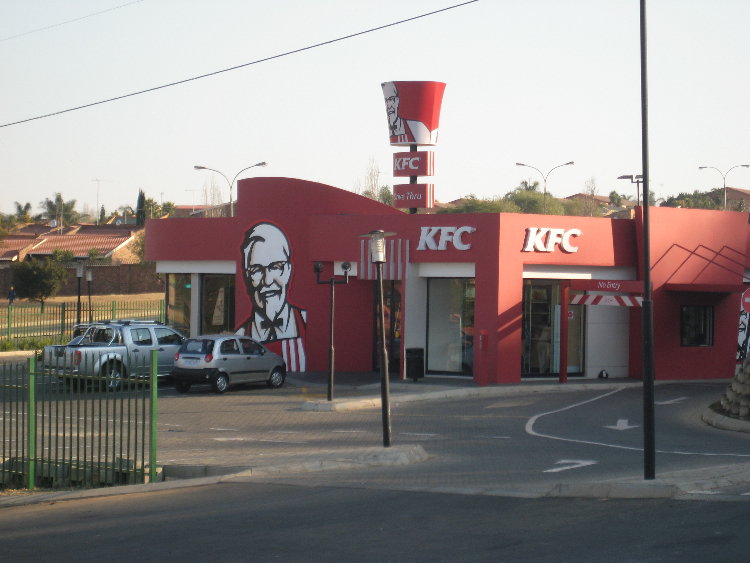
tuscan townhouses anyone?

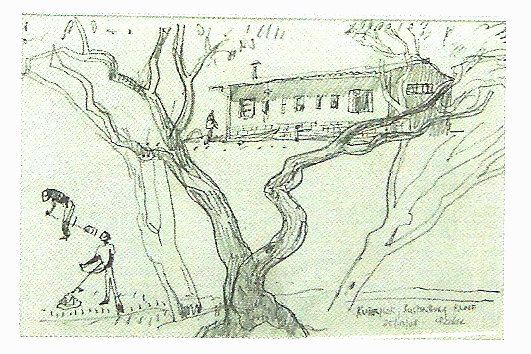
Of course, finding these sites means I can see what Pierneef had in front of him. But I also have the chance to see the 360 degree view, to see what got left out. On my right at Rustenburg Kloof there are modest kuierplekkies. They look like they’re from the late fifties or early 60s.

kuierplekkie met besige grassnymannetjies

There are also facebrick dwellings from the 70s or 80s, ok, but not very attractive. I notice they’re occupied not by your customary paleskinned weekenders, but by black okes wearing bright yellow T-shirts with trade union logos. The kind of people the white braaivles people used to put in jail. Straight ahead, in exactly the spot where Pierneef put that grand thorn tree, there is a little building. It looks like a change room perhaps.

spot the symbol

They are also in a kind of a sixties style, but they’re crumbling.  A bit like the Pelindaba parking lot. The young patriots that used to come out here to hike and swim in the river have all grown and up and gone to work in Canada. But these aren’t the first regime changes these cliffs have seen. In his memoirs of the Boer War, Jan Smuts writes eloquently of the Magaliesberg, of the carnage and change that war brought to these valleys. He recalls how the original inhabitants, called the Magatse, were ruthlessly slaughtered by Mzilikazi’s  invading hordes and concludes: “Truly the spirit that broods over Magaliesberg is one of profound pathos and melancholy….I had borne in upon me as never before that haunting melancholy of nature, that subtle appeal to be at rest and cease from the futility of striving.”

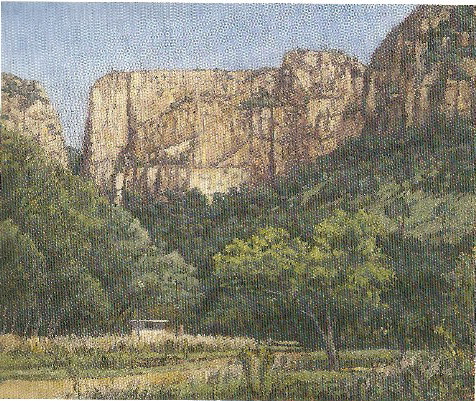
Rustenburg kloof. oil on canvas.50x60cm

A little to the West of the platinum boomtown is the fabled Rustenburg Kloof. This is a popular picnic site and Plesieroord, where the lawns around the 60’s style bungalows are well watered and trimmed. Knowing the site from my own reworkings of the original Pierneef, I found the exact spot right away. Of all 28 Station Panels, Rustenburg Kloof may just be the best. The Pierneefian formula of a melancholic landscape underneath huge building clouds can get too obvious at times, but here it is very strong.
J H Pierneef. Rustenburg Kloof. Oil on canvas.140x126cm

Careful, mathematical composition is a hallmark of the panels. They’re also very strongly circular – the arch of the clouds finds an echo in the ochre earth. The circle is reinforced by the use of tone – so we are drawn to the centre by that very light Naples yellow behind the thorn tree. Also, the cliff seems immense behind the contours of the central dark areas – there’s no middle ground to give us a sense of its scale.

this be the place

That bit of tarmac covers a small bridge running over the river, barely discernable in the original on the left. The tree to the left may or may not have been there 80 years ago. Either way, he chose to put in a thorn tree instead. In the late morning light, it looks good but ordinary compared to the high drama of the Pierneef. The afternoon light above the rockface makes it look craggy and pitted – nothing like that smooth expanse of rock in the painting. The Pierneef is based on an early morning light. And you wouldn’t see those clouds early in the day. Aha, another of Oom Henk’s little manipulations.
We take it for granted that the camera shows us what is “real”. But it only captures a moment. Pierneef gives us a highly stylised version of the world, but it conveys a reality far truer to our memory and our emotional recall of the South African landscape.

watercolour. 20 x 25 cm

The Hartbeespoort Dam Station Panel.

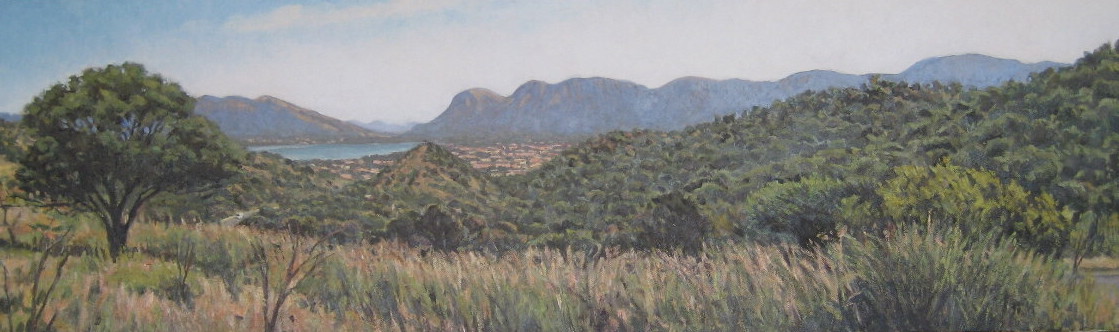
I found this site easily enough. It’s on the R514 as you head towards the dam. The day I was there (for I am not there now, dear reader) was the end of a long weekend and the whole of fun seeking Gauteng was roaring back to Egoli with boats, bikes, caravans and jetskis in tow. Nevertheless, I put on the suntan lotion and got down to work. The noise coming up from the road started pissing me off after a while, but in the stolen quiet moments I realised The Thing, and that is that what Henk had before him was Nirvana, no less, and that we, in our headlong rush toward comfort, acquisition and consumption, are screwing it up. Behind the rash of Tuscan townhouses that ring the Dam, the water glows an eerie green. Cyanobacteria – a malevolent and toxic algae – flourishes in this sewage laden water. You wouldn’t really want to go waterskiing there.

"Hartbeespoortdam" oil on canvas. 30 x 100cm

It was in a nearby hotel that Pierneef was to meet his second wife. It’s been noted that around that time, too, his work and career began to flourish. The stabilising influence of a good woman on the daydreaming artist, no doubt.

The redoubtable Mrs P

I met a woman last year who had rented one of the rondavels at the Pierneef’s Pretoria home in the 1940s. The young couple admired Pierneef’s work, and, at one of his home exhibitions, scraped together the money to buy one of his watercolours.  But, announcing that “Henk’s paintings must only hang in the finest homes in Pretoria,” Mrs P cancelled the sale. Eina.

Over the hill and through the deserted Pelindaba parking lot.

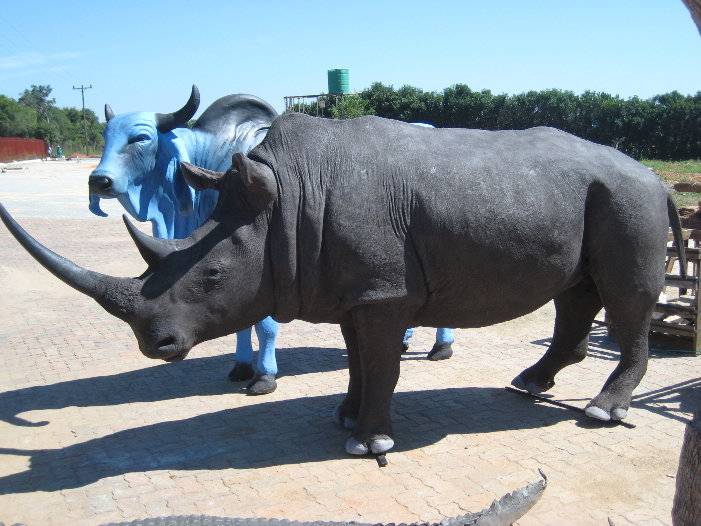
Nature creeping into the cracks in the tarmac left by retreating Nuclear geeks. In his book “Of warriors, lovers and prophets,” Max du Preez tells us that the name Pelindaba means the debate (or problem) is finished. An atom bomb would be a good way of closing an argument, it’s true. But for now the argument is kind of shut down while we work on new Nationalisms and new debates. Across the Hartebeespoort Dam wall there are a whole lot of interesting businesses on the go. Next to the curio, fruit and sunglass vendors, large African animals proliferate.

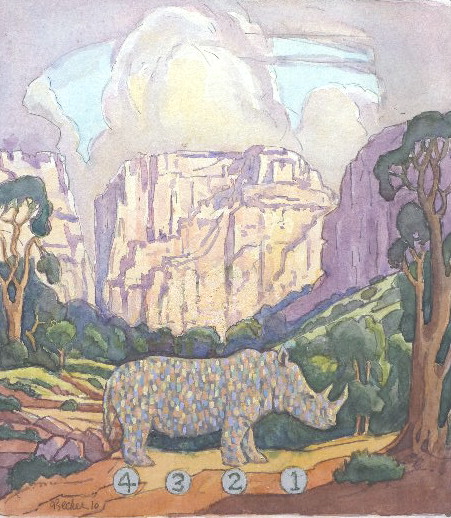
try sawing off this horn

Kind of better than a stuffed rhino, I guess. Nevertheless there is something a bit post nuclear meltdown about these beasties. I put them into a modified version of Pierneef’s Hartebeespoort Dam painting and called it “Pelindabadiere.”

"pelindabdiere" Gouache. 20 x25 cm

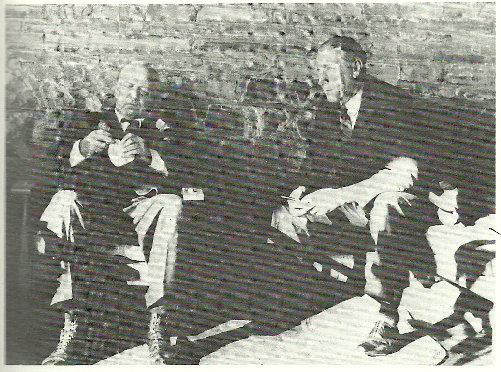
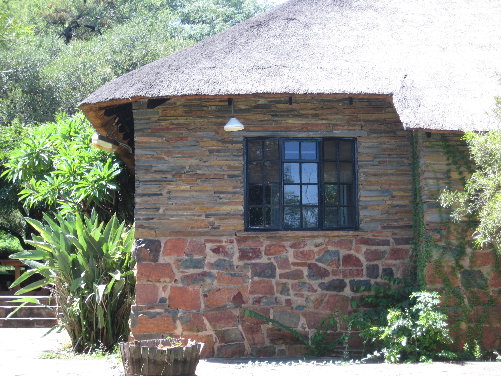
Pierneef parking out on the stoep with Gustav Preller, sometime in the 30’s. I stopped off at Preller house on the way to find the Hartbeespoort Dam site. Preller, a pioneer of Afrikaans, edited Ons Vaderland and wrote a book on Piet Retief and other volumes on the Voortrekkers. His house is on a sunlit koppie with views of the Magaliesberg to the North. The use of nearby stone, slate and thatch makes a dwelling that perfectly fits its surroundings.

preller se plek

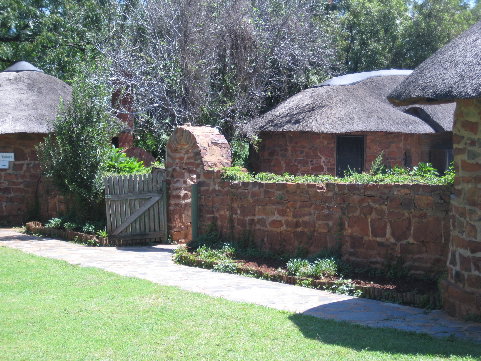
The place is a bit run down and there’s no-one else around. Around the back there’s a courtyard and some rondavels.

It was in one of these that the poet and naturalist Eugene Marais, worn down by decades of morphine addiction, spent his last days. The scale, shape and colour of the dwellings is deep South African, the work of people  in touch with their landscape. There’s a modesty of scale here that reflects early Afrikaner Nationalism, if you like. And just over the hill is the nuclear research facility of Pelindaba – the love child of a rampant lust for power.

Rustenburg Rhino. Watercolour. 23x 20cm

Once a year, former academic Leon Strydom hitches a trailer to his Citroen panel van and sets off to visit artist’s studios all over the country. Leon owns the Strydom Gallery in George. Although George isn’t exactly known as an art buyer’s destination, artists tend to respond to Mr Strydom’s dedication and he comes back from his travels with a load of work that makes up his annual Summer Show. So this week I got sidetracked into a flurry of paper staining and made some work for him, even though I should be putting them in the box marked “Solo show, Stellenbosch University Art Gallery, May 2011”  Which is sooner than anybody thinks!

An Eland in the Poort. Watercolour. 23 x20cm

The young Pierneef. A romantic and a dreamer, by the look of things. An earnest young artist who admired  – even copied – the rock paintings of the Bushmen. Who felt the art of the Ndebele and the San would be a good starting point for the evolution of an authentic South African art. At the same time, he took in modern European art movements. Back from Paris and Holland in 1925, he knew he could be a vanguard South African painter. But his 1927 show in Jo’burg, full of startling geometric abstractions, didn’t sell a thing. Earning a living from his brush, and with no other means of support, he retreated. His next show in Pretoria, of more moderate work, was a sell out. In 1929 the Johannesburg Station commission was given to him. That was followed by a commission to do murals in South Africa House in London. He was now the Establishment man. His shows were consistently successful.  No bohemian or avante garde outrage here. The public liked what they saw and voted with their chequebooks. “Jy moet saamry op die wa met jou volk,” said Pierneef.  In a sense, he also taught people to see the landscape. And laid down a template for the following generation of painters. He identified with a group of people who became very powerful in his lifetime.  Does that make his art – his vision – a Nationalist vision?

sources: Nel, Pierneef, Sy lewe en sy werk.

So in 1870, John Ruskin was installed as Oxford University’s first Fine Arts Professor. Thus was born the modern art institution, where the production of theory is at least as important as knowing the craft of artmaking. And Ruskin wasn’t short of ideas. Or ambition. His inaugural lecture was a call to arms:

“We are undegenerate in race. We have the firmness to govern and the grace to obey. Will you youths of England make your country … a mistress of learning and the Arts? This is what England must do or perish: she must found colonies as fast and far as she is able … seizing every fruitful piece of waste ground she can set her foot on, and there teaching these her colonists that … their first aim is to advance the power of England by land and sea.”

In the audience that day was the young Cecil Rhodes, and we all know how keenly he took up the project:

hier kom Cecil!

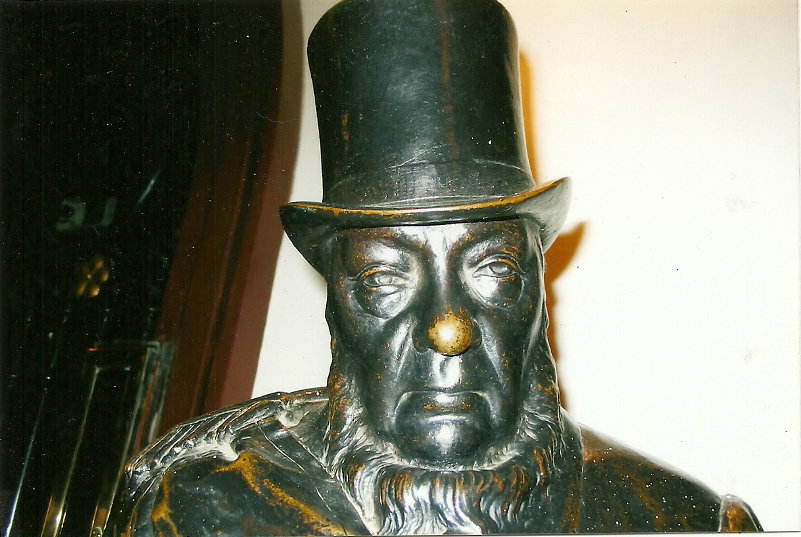
Ruskin also thought it important for the youngsters of the chosen race to do a bit of physical work, so he set his students to digging roads. Cecil, who was frail, did not partake, but toiling along with the rest was an icy young man called Alfred Milner. Later on, he got rid of Paul Kruger’s rustic Republic and dragged the Transvaal into the modern age.

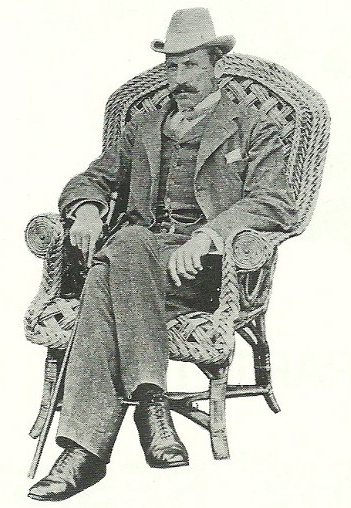
With cane in hand. Mr Milner

So what has this to do with Pierneef, I hear you ask? Well, the Boer War was a cataclysm for the Afrikaner people.  Aside from creating a bitter sense of loss, it unified the Volk and gave them heroes.  Those are crucial ingredients for the birth of Nationalism. And Afrikaner Nationalism is a subject that often crops up when Oom Henk is mentioned.

O Hel!


"Traveller looking over a sea of fog"


German painter Casper Friedrich (1774 -1840), was a contemporary of JMW Turner and friend of Goethe. His solitary figures peer into the landscape, inviting us into their world of melancholia and awe. Rather than painting traditional religious subjects, Friedrich depicts the encounter with landscape. It’s no accident that these works emerged as Europe industrialised and the Church weakened. They compensated for the loss of both Nature and God. I don’t know if the godless philosopher Nietzsche (1844 – 1900) ever saw Friedrich’s work, but the solitary mountain wanderer would surely have approved of it.

In the Jura region of France, another lone mountain man and painter was jotting down his sensations: “The clear green streams wind along their well-known beds; and under the dark quietness of the undisturbed pines there spring up such company of  joyful flowers as I know not the like of among all the blessings of the earth”.  John Ruskin (1819 – 1900) was England’s most influential Victorian art critic. He churned out volumes of impenetrable but poetic writing. He hated the demolition of old buildings. He disliked mountaineers. He didn’t like the march of Progress.

But the flower lover was no hippy: “My continual aim has been to show the eternal superiority of some men to others … and to show also the advisability of appointing such persons to guide, lead, or even to compel and subdue their inferiors, according to their better knowledge and wiser will.”


Ruskin as an Imperialist. Oil on canvas(2005)


The idea of the Pastoral in painting goes all the way back to the Greeks. There’s a lineage that can be traced to Classical painters like Nicolas Poussin (1594 – 1665).  You can also regard the pastoral as a sub-tendency of Romanticism. Where the grand romantics like Turner looked for sensations of awe and splendour, the pastoral artist looks to nature for solace and comfort. (English painter John Constable is a good example)

The vastness of the American wilderness was fertile territory for painters of the 19th century. Thomas Cole (1801 – 1848) was the first to establish pure landscape as a genre in American painting.

Thomas Cole. The oxbow. 1836

“Not in action, but in repose, is the loftiest element of the sublime…” said Cole, and this sense of repose permeates many romantic landscapes. By the 1920s, American art was starting to assimilate European trends. But the ‘Regionalists‘ like Thomas Benton and Iowa painters Grant Wood (of American Gothic fame) and Marvin D Cone continued the rustic tradition.

Marvin D Cone. Pageantry. 1928

Working far away from the centres of the art universe, like Paris, they looked close to home for inspiration. They rejected the idea of the avante garde, and many actively tried to bridge the gap that had been opened up between painter and public. These regionalists, and others like the Canadian Group of Seven, seem to be Pierneef’s true soulmates. Stylistically, they had taken on the simpifications of Art Deco, but their work looks to the land (and the heavens) for salvation.

J H Pierneef. Hartbeespoortdam.c 1930

sources: G van der Waal Braaksma “Pierneef die Kunstenaar”, Paul Johnson, “Art – A New History”, Oxford companion to Art.

INBOX:

OUTBOX:

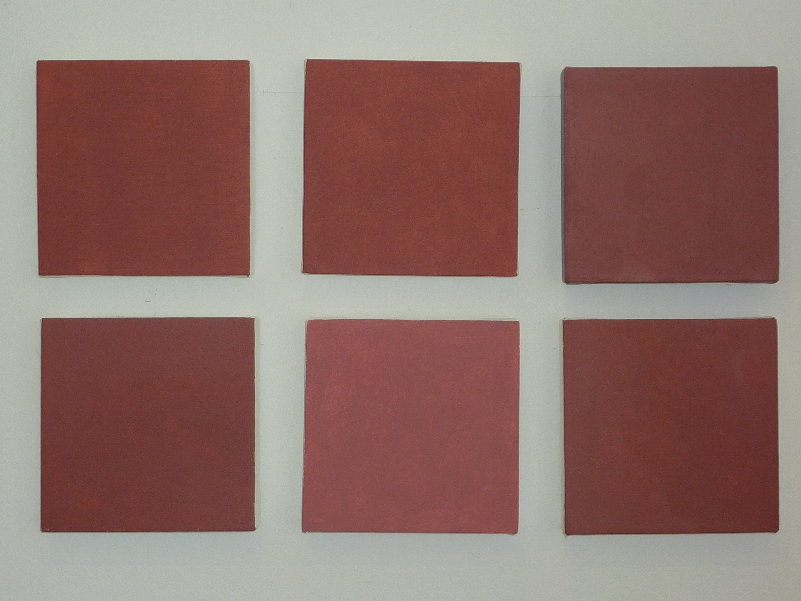
20x20cm Oil on canvas panels

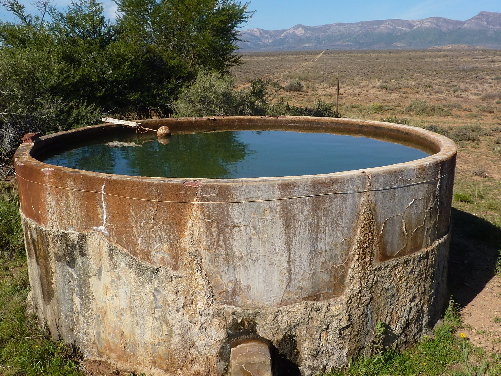
Back down the N9, through Aberdeen and heading for the coast. I stop to take a look at one of those karoo dammetjies, the kind that Kobus Kloppers paints so beautifully:

bel vir kobus

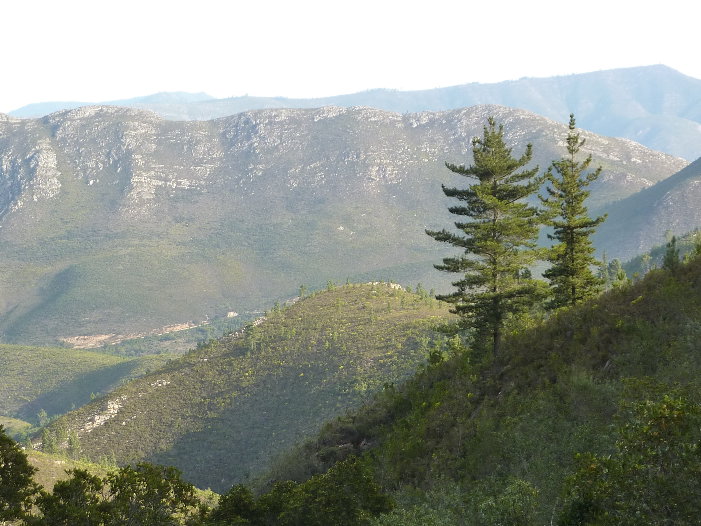
Left at Uniondale and to Knysna via the fabled Prince Alfred pass. Another one of Uberpassbuilder Thomas Bain’s creations, the pass was built in 1867 and is 80k of dirt snaking through the majestic Outeniqua Mountains. I don’t know if Oom Henk took this path on his way to paint the Knysna Heads, but he should have. It’s wild, in an Alpine kind of way. Very…um….German.

Germanicus Africana

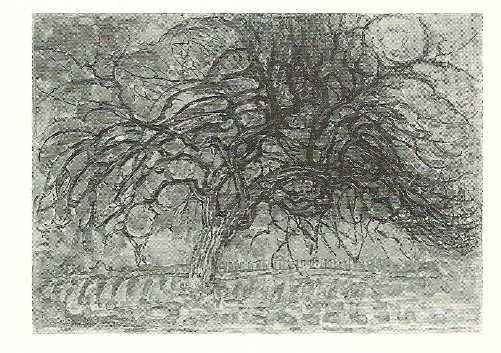
Pierneef was the son of a Dutch immigrant to Paul Kruger’s Transvaal Republic. He spent some of his school years in Holland, and visited Europe again in 1925. He was influenced by Art Nouveau and there are links to Piet Mondrian in the flatness and simplification of planes (and the obsessive renderings of trees). You can place him in the tradition of Northern European Romanicism. While the Francophone painters of the South sought to capture the passing moment, the depressed Northern painters looked to the landscape for something lasting and transcendental. This often involved intense almost scientific study of botany and geology.

Mondrian 'The Blue Tree" 1910

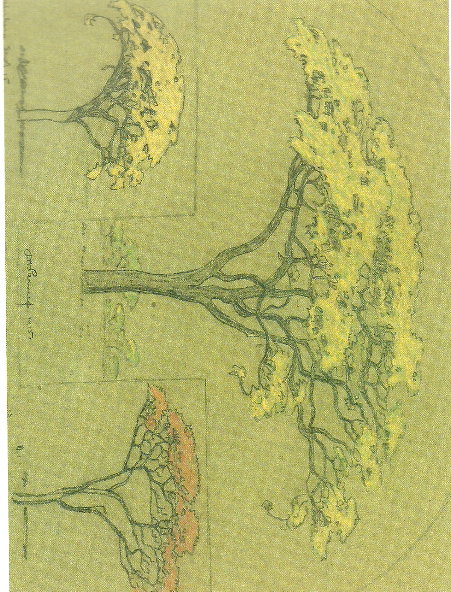
Pierneef, Boomstudies, Waterberg. 1915

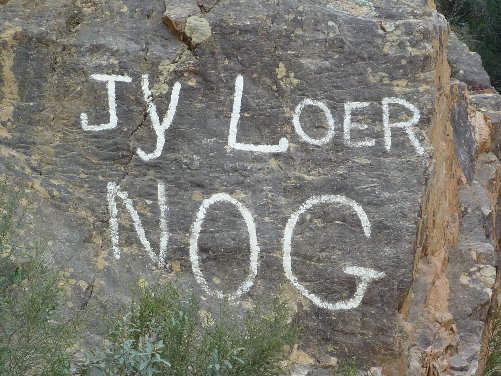
After an hour of driving in honeyed afternoon light, you get into the belt of Knysna forest and the tall trees loom. I’m dozing now, tired out by all this beauty. Right at the end of the pass, some wit has left a message:

ja boet, loer is my job

A little trip up to Jo’burg is one of the reasons why I haven’t been posting. The other is that while I was there I got a rash from hell that drove me to distraction. Apparently it’s common practice for bloggers to post their rashes, but I’ll spare you that. In Jo’burg I met a photographer called Monique Pelser, and she too has been photographing the Pierneef sites. Which goes to prove that if you have an idea, you can be sure someone else is having it at exactly the same time. Monique tells me the Pierneef museum is moving to Stellenbosch. I’m trying to confirm.

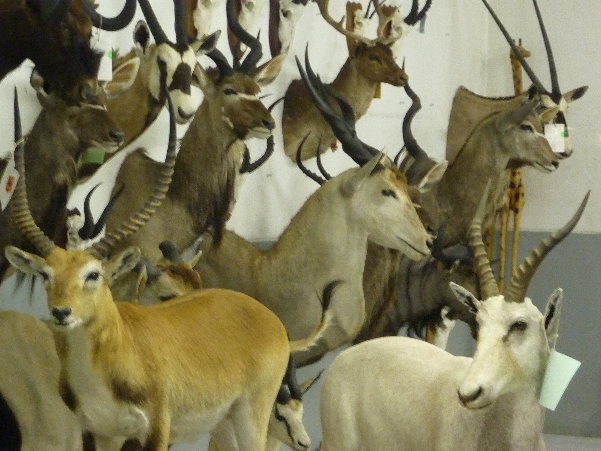
If you are ever in Graaff Reinet, the taxidermist across the way from the Pierneef Museum is worth a look. They keep the main door closed though, as if to discourage casual enquiries or bunny huggers:

standing room only

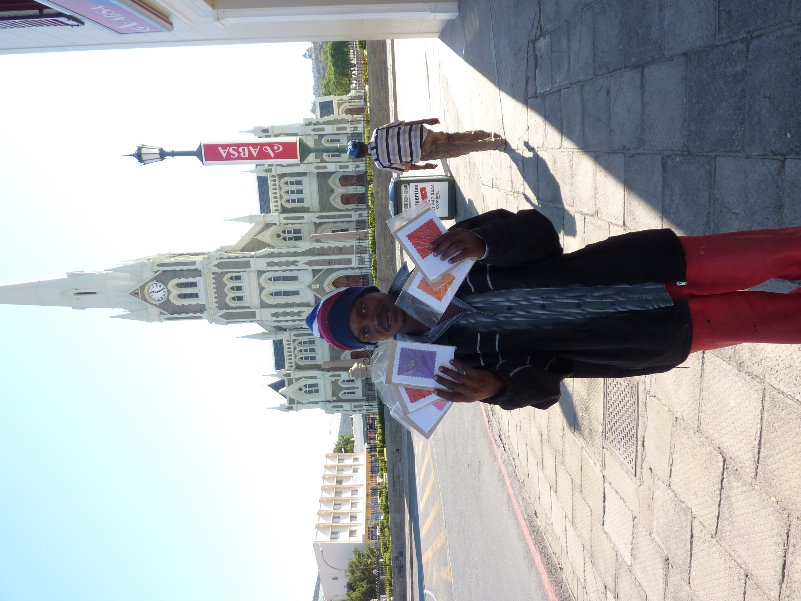
I also encountered this bloke, who makes finely crafted greeting cards out of beads and wire.

He has a congratulatory sales technique: “Well done, I’m proud of you,” he says when you buy a card. He asked me “Are you the Big Man, the one who is going to place a Big Order?” No, actually china I’m looking for the Big Man myself .

Valley of Desolation oil on canvas 20x20cm

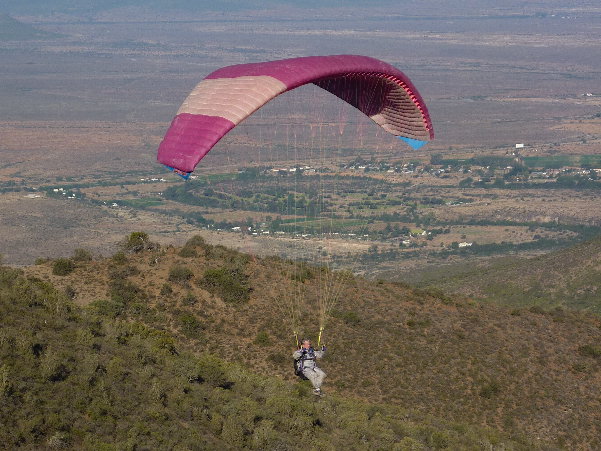
Back up to the Valley the next day, but this time I stay further back in order to get the long view. You can park here and walk up to view Spandau Kop. To the right is the Valley. You also may find paragliders launching themselves into the afternoon thermals.

"yee ha!"

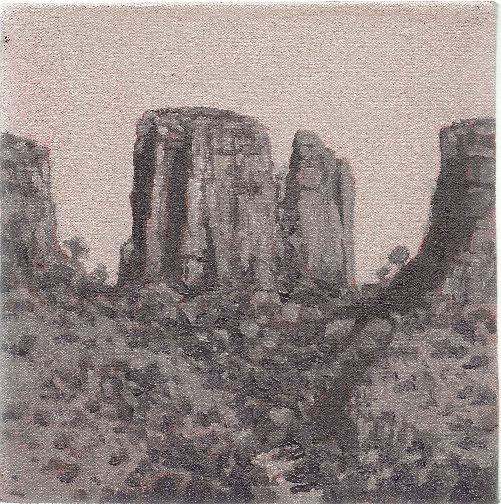
There’s a kind of a contrast between Pierneef’s foreboding stone columns and the jauntines with which they throw themselves into the air. Pierneef’s painting demands that we regard God’s handiwork with reverence and awe. We are put in our place by the monumentality of the forms. And here we are in the 21st century, treating nature as our playground. But this has none of the intrusiveness of, say, quadbiking – there’s a graceful loop through the air. The view from up there must be awesome. I’d love to do it.

JHPierneef. Graaff Reinet. 140x 148. oil on canvas

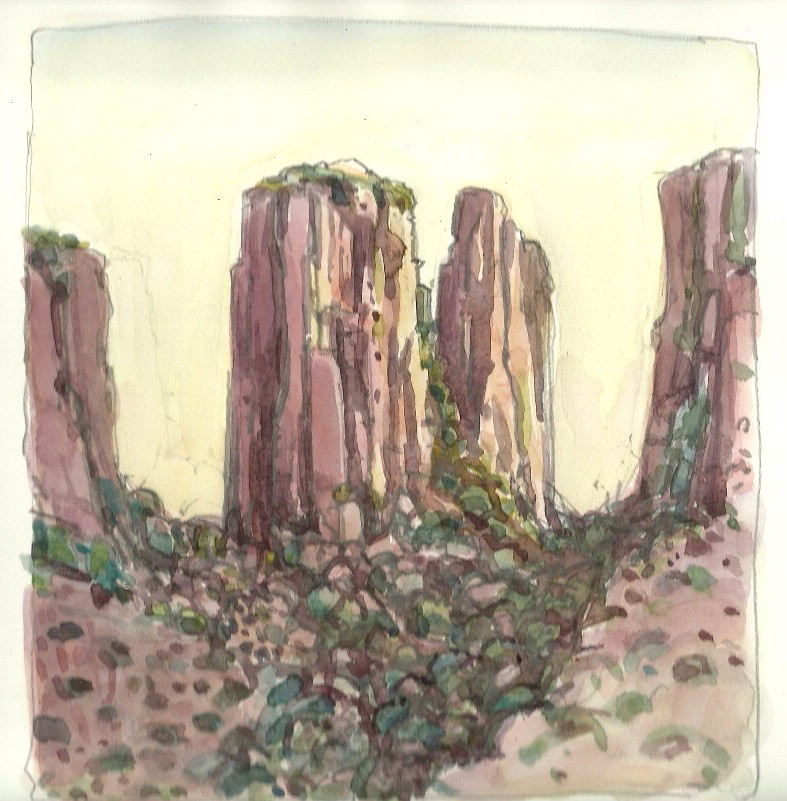
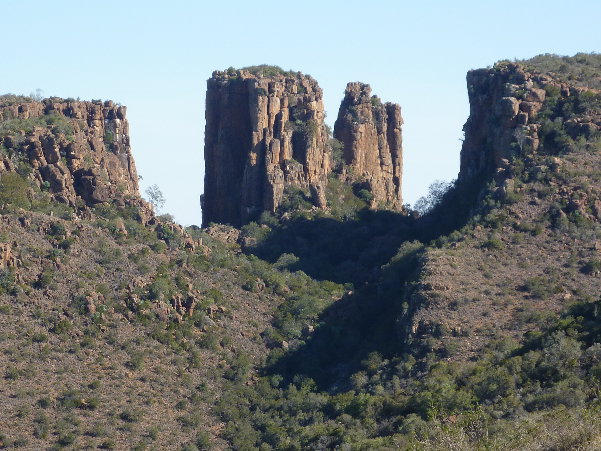
Walking a bit off the road and a bit closer, I seem to be in the right place. The shadows on the original painting tell us there was an afternoon light falling on those stone pillarsMy little watercolour also picks up on that yellowish sky. Pierneef obviously had a lot of confidence in his working drawings as well as his colour notes. Again, they seem very accurate. And he’s made a very good  job of imposing order on that chaotic jumble of rocks and vegetation at the bottom of the valley. As the shadows lengthen, I suddenly notice the expanse of space to my left. It’s vast, but stitching together a number of photographs, it’s paintable. That’s my version of the Valley of Desolation

'Valley of Desolation" 30 x 100cm oil on canvas

The Valley of Desolation. I’ve been here before, and not quite figured out where our man painted it from. The original seems to have been done from the bottom of the valley, but there’s no easy way down there.

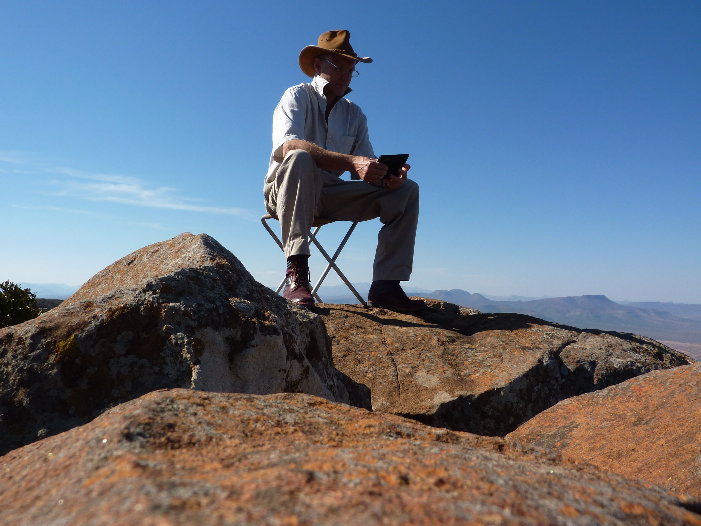
Did Pierneef really trundle all the way to the bottom? He was more inclined to stop the car on the side of the road, in my experience. Surely I won’t have to drag my creaking old bones down there? Maybe he was slightly down from the top? I keep on up to the top and, heading off the designated footpaths, try to get lower down. Earlier, there were some fuckwits on a team building exercise, but they’ve moved off. It’s a weekday. It’s dead quiet. I’ve got the whole frightening vast clump of stones to myself.

no time for a dizzy spell

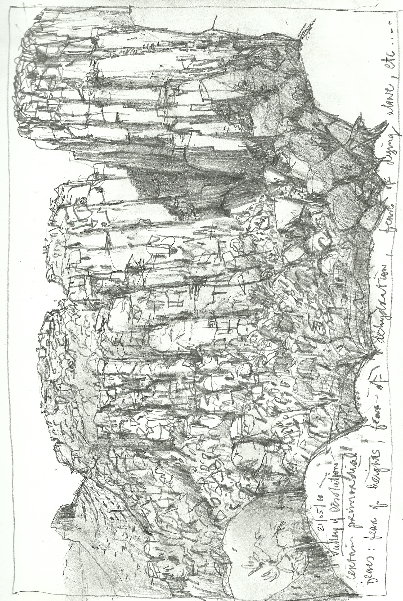
It’s a warm, still winter’s day, a kind of perfection for the outdoor painter, and I start drawing right away. But I’ve taken too long to get here, and I’m not really in the right place. There are non specific little fears niggling around  my brain, the kind of stuff that gets thrown up when you can’t help noticing your own insignificance in the face of geological time and measure. Absurdly, I try to downscale all of this onto an A4 sketch pad. And I make a note underneath. It says: ” certain primordial fears; fear of heights; fear of dehydration, fear of dying alone, etc….”

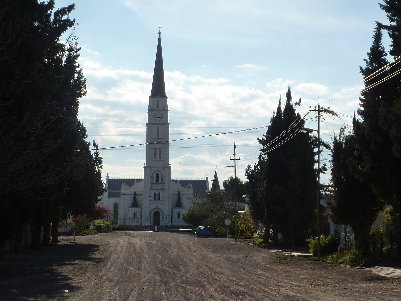
As you head up Graaf Reinet’s main road, there’s an impressive church but the one we want is just before you get to it, in a lane on the right. In there are the reasons for my journey. Completed in 1931, they hung in the concourse of the brand new Jo’burg station. They were meant to encourage the railway commuter to buy the long distance ticket and see the scenic virtues of South Africa.  They got dirty and after some restoration by the artist went to the Jo’burg Art Gallery. And then in 2002 they were installed in the Pierneef Museum in Graaf Reinet, under the care of the Rupert Art Foundation.

die Pierneef kerk

There are 28 landscapes and four small vertical panels of indigenous trees. I’ve spent a bit of time in here and every time I see the work again I marvel at the achievement. This isn’t the Sistine Chapel, but it is a remarkable body of work for two reasons: It was completed in a three year timespan, travels included, and without the aid of colour photography as a reference. [Us modern painters are hopelessly dependant on our digital cameras. Oom Henk worked up his paintings from dozens of sketches and watercolours.]  Secondly, the aesthetic of Pierneef was developed in virtual isolation. Most major modern artists and styles emerged out of some sort of collective effort. Pierneef ‘s response to the landscape didn’t build on an existing local tradition. It seems to have come out of nowhere.

the inner sanctum

About ten years ago Hermann, Cathy and I were going up to Jo’burg when Hermann spotted this little beastie on the right hand side of the road

The legendary Tafernaki

Made out of stone, cement and broken glass, in the manner of Helen Martin of the Owl House,  it has some names inscribed on its chest, and next to it the word “Tafirnaki’. (Actually Tabirnaki.) It is situated on a nondescript stretch of road about 45ks south of Aberdeen.

bustling Aberdeen

Those who are in the habit of asking questions like “what is it” and “why?” will not be happy here. Better rather to make a cultish object of it and be sure to send the other initiates an sms whenever driving past.

c2001: Herr Niebuhr I presume?

Double click on photos to get them full screen size, dear reader, and you will see it does actually have FINS….

By the mid 1700’s, European landscape painting had fixed pictorial conventions. The aspirant painter would find an appropriate setting, preferably a vista framed by tall trees in the foreground, and get to work. Art critic Robert Hughes has shown how early Australian artists struggled to adapt this scheme to their new world, creating an idealised landscape instead.

Thomas Watling: A direct north general view of Sydney Cove (1794)

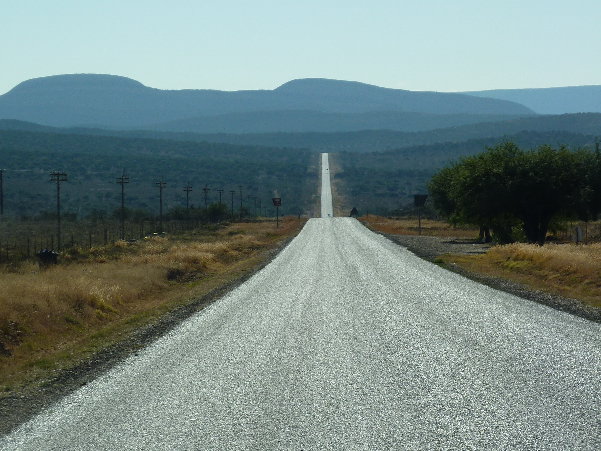
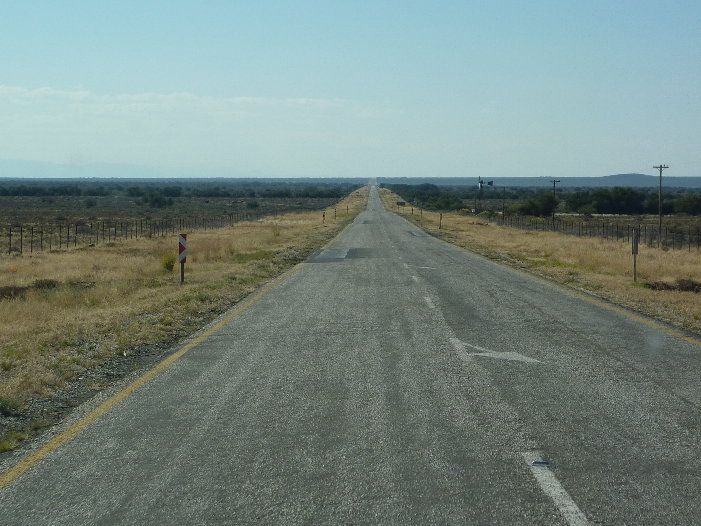
In the Cape, Table Mountain and the lush greens of the surrounding forests were certainly “expressive of that peculiar kind of beauty, which is agreeable in a picture” (W Gilpin, 1792). But as explorers moved inland, they had no aesthetic language for the endless ochre expanse of the Karoo.(They also didn’t have a tar road stretching before them.)

Alongside these notions of the picturesque, there was also the idea of the Sublime. British philosopher Edmund Burke’s “Enquiry into the Origin of our ideas of the Sublime and Beautiful” (1757) hugely influenced C18th English aesthetic thinking. Burke tried to understand the urge to experience the untamed and awe inspiring aspects of nature, qualities that were sought by the future generation of Romantic painters and poets. According to him, “dark, confused, uncertain images have a greater power on the fancy to form the grander passions than those which are more clear and determinate.” Poor old boy, he never went to the Karoo and felt his soul expand.

flat as sublime

I’m leaving the volstruisdorpie for Graaf Reinet to check out the Pierneef Museum and the Valley of Desolation.  Its about 270 kms, which could take 3 hours, or maybe the whole day.  The road to Willowmore takes me through some wide open country with hills and aloes in bright sunlight.

No one else on the road….

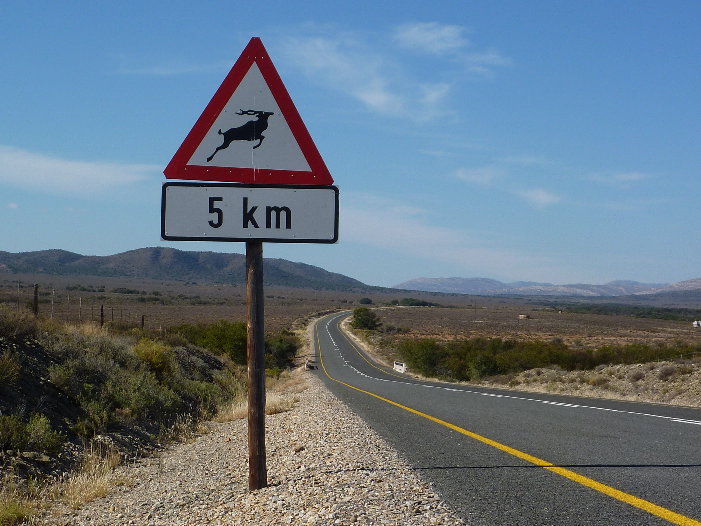
ah...kudu country!

You go through the mountains at Buyspoort and you’re out of the Klein Karoo. As the landscape simplifies, the man-made mark on it seems more distinct. In Willowmore, a carefully put together but symbolically obscure piece:

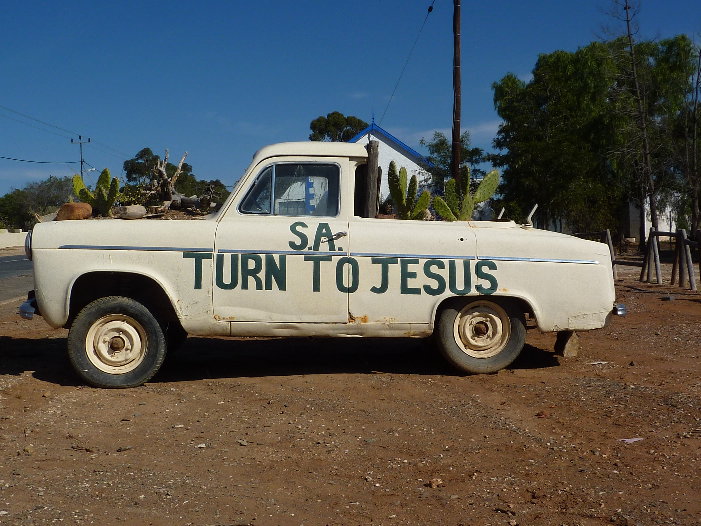
draai of braai

But as I get into the Great Karoo I start to notice an array of enigmatic structures and curiosities that look like the interventions of a contemporary artist…

Back up the pass from Prince Albert now, sketchbook in hand. On both sides of the road there are outrageous rock formations, shaped by mighty forces:

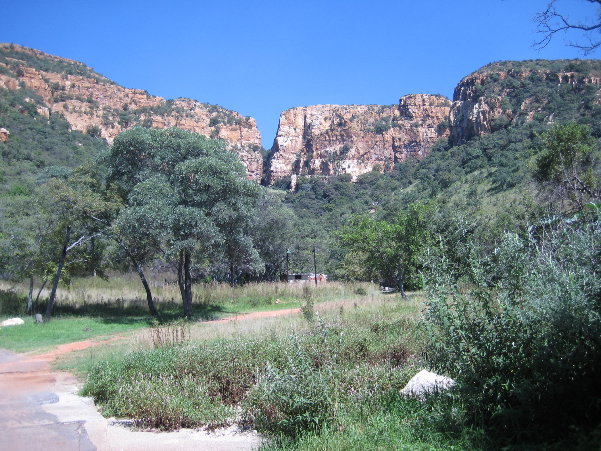
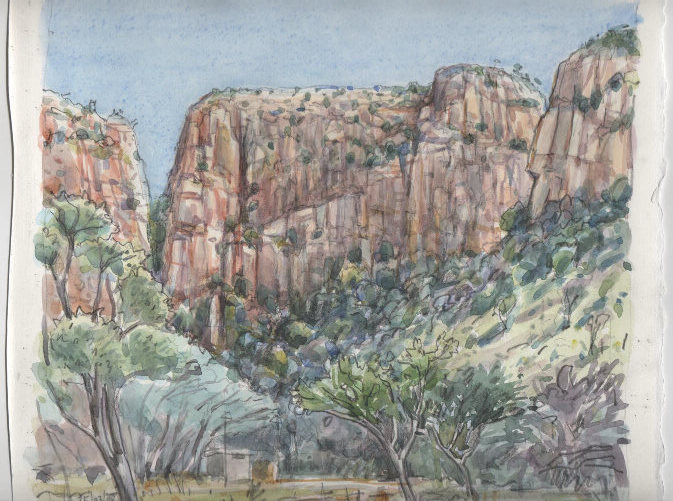
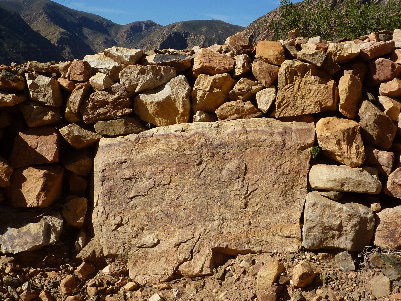
I get to the site around 12.30 and settle in. A lot of the sites I’ve been to have changed since Pierneef painted them, the landscape encroached upon by highways or housing. But this is unchanged since Thomas Bain and his crew hammered their way through here in 1886. The year of Pierneef’s birth. (And Johannesburg’s too)

built to last:stonewalling at the site

But the gravel road is showing the wear and tear of fairly high traffic volumes, so while I’m doing the watercolour I make a list  of the passing traffic: Fortuner, Isuzu, Land Rover, Toyota sedan, 2 cyclists, Suzuki, Bakkie, two Dutch people in a small car, Correctional Services Toyota, Poephol in a Prado, CA Yaris, Silver merc, Silver Toyota, White Toyota, 2 cyclists at speed, Landcruiser, Party of 8 cyclists, Isuzu bakkie van Bredasdorp, Kia, Colt with a Staffie, Big yellow truck (12.30 – 4.30pm). The cyclists, by the way, had pedalled over from the Oudtshoorn side and after spending the night in PA were coming back over the next day. Eina.

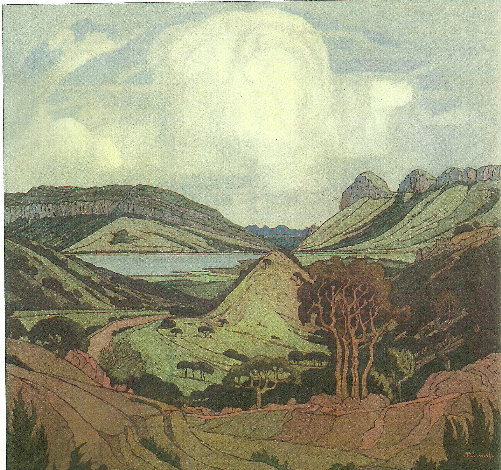
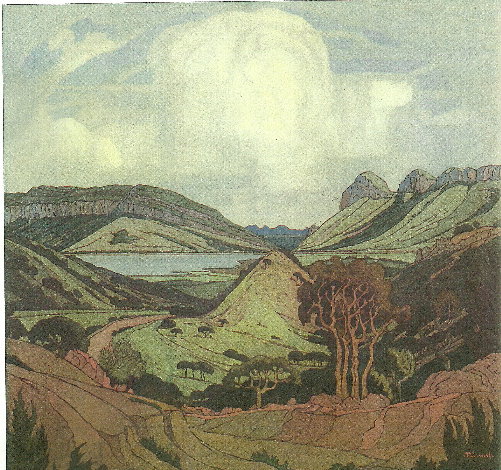
J H Pierneef’s Station Panels are cornerstones of South African landscape painting. They were placed in the old Johannesburg Station as adverts to travel the country.

But did these alluring places ever really exist? And how have they changed?

Taking up the invitation to travel 80 years later, Carl Becker set off to find out.

Enter your email to receive notification of new posts.

Join 805 other subscribers

Contact

carlbecker.art@gmail.com

Categories

Archives